CHARLOTTE — Jurors heard new DNA evidence Thursday in the trial of Terry Connor and Steven Staples, accused of killing Scott Brooks outside his NoDa sandwich shop. Prosecutors said DNA found on a shell casing and cellphone data tied the men to the 2019 homicide, while defense attorneys argued the evidence doesn’t directly connect them to the crime.
Prosecutors showed ammo and masks they said incriminate Staples, because they were found in his home on Plaza Walk Drive in 2020.
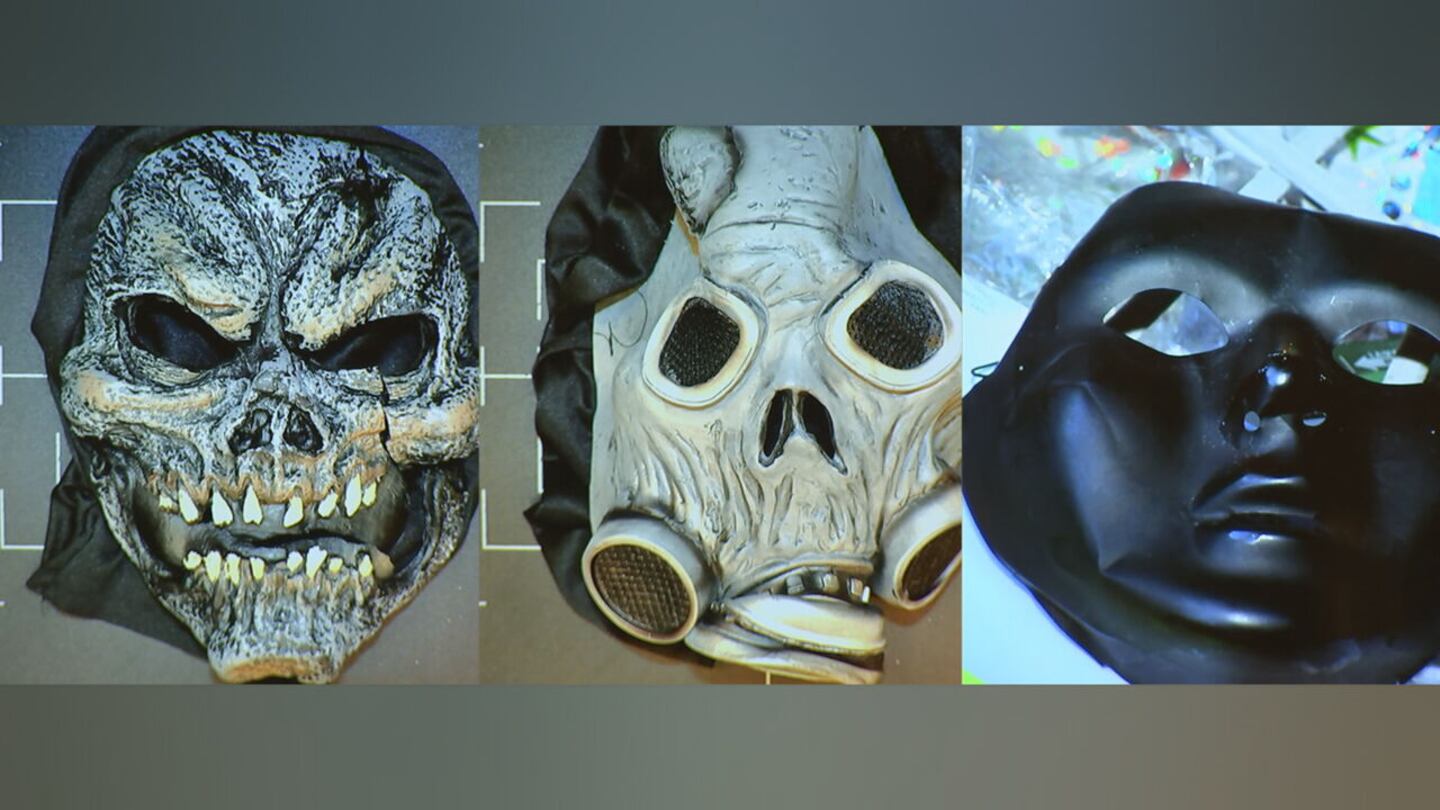
However, his attorney said he didn’t live there.
Prosecutors said Staples lived with his then-new bride, at the home.
“The closet was very neatly kept,” said Charlotte-Mecklenburg Police Department Det. Seth Adcox.
MORE PAST COVERAGE:
- First witnesses called in murder trial of Scott Brooks’
- First witnesses called in murder trial of Scott Brooks’
- Community rallies around restaurant as trial for Scott Brooks’ accused killers continues
- Prosecutors to use similar murder case as evidence in Brooks trial
- Both suspects to be tried together in Brooks’ Sandwich House murder case
Adcox’s body camera video showed him looking through the primary bedroom closet half filled with men’s clothing, as well as a gold box with .45 caliber ammunition.
That was the same caliber prosecutors said was used in Brooks’ death.
“Which portion of the closet were we looking at when you found those?” said prosecutor Heidi Perlman.
“It was the back portion of the closet near the male clothing,” Adcox said.
Prosecutors tried to prove to the jury that Staples lived there showing how his temporary identification and other records with his name on them were found inside.

In the garage, a backpack was found with ammo and three masks.
Prosecutors said both men who killed Brooks wore masked and hooded.
“So, you don’t know if it was tested for any bodily fluids on those items,” said defense attorney Laura Baker.
“I’m unaware,” said an investigator, who is to remain unidentified.
However, Baker argued the bullets, nor masks had anything to do with the crime at the sandwich shop.
“Do you know, as you sit here, if those items found in that gold box were tied to the Brooks homicide case at all?” Baker said.
“I do not,” Adcox said.
In the photos, Brooks's revolver was found and photographed on the ground near his body.
— Hunter Sáenz (@Hunt_Saenz) November 13, 2025
Nearby was the shell from the bullet he fired at the suspects while trying to defend himself.
Brooks was shot in the chest, grazed on his leg, and shot in his hand, per witness on stand.
She pointed out that the mail found inside the home with Staples name on it had a different home address.
Tying him to the that home is crucial for prosecutors because it would show that those things found in the home are very similar to evidence from the scene.
DNA linked

DNA was found on one of the shell casings at the Brooks homicide scene that prosecutors said cracked the case wide open.
“Bullet DNA did come back,” said CMPD Det. Blair Fitch.
Fitch said it was the DNA of the mother of Connor’s child.
Detectives got access to her phone records, which showed her corresponding with Connor.
The FBI ran his number through a nearby cell tower.
“Was there evidence in those phone records that pertained to the homicide of Scott Brooks?” Perlman said.
“Yes, there was,” Fitch said.
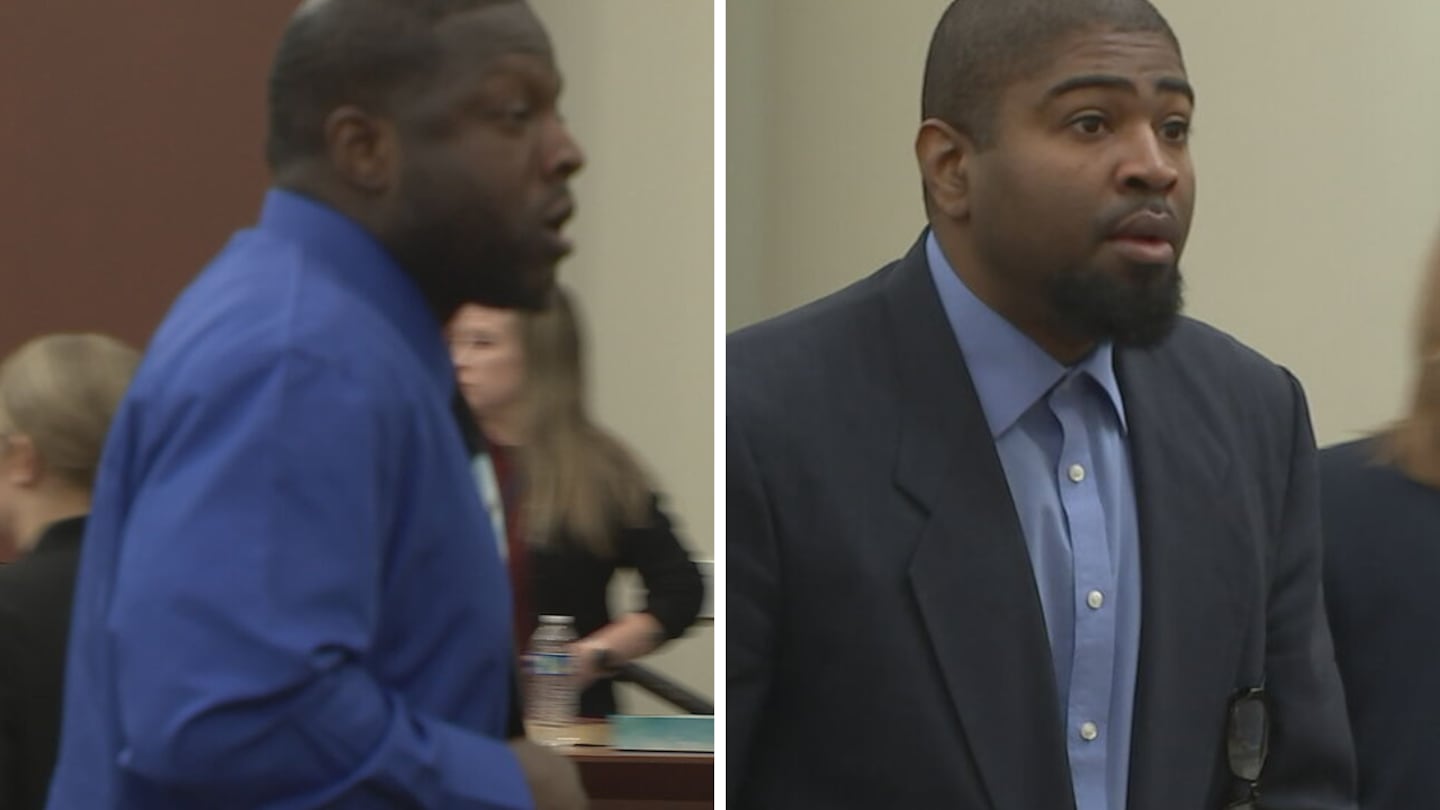
Fitch said a cellphone tower pinged Connor’s phone which was being used near the Brooks homicide around the time that it happened.
Staples popped up when investigators looked into who he’d been communicating with at the time.
Prosecutors said his phone pinged near the crime, too.
Those cellphones were never found.
Connor’s defense attorney tried to make that point for the jury.
“You don’t know who had possession of those phones at the time?” said defense attorney Kenneth Snow.
“I do not,” Fitch said.
He also wondered why someone whose DNA was on a shell casing wasn’t a suspect.
“Do you know why she wasn’t charged in this case?” Snow said.
“I do not,” Fitch said.
Police searched the home of the woman whose DNA was found on the shell casing.
Detectives said they never found .45 caliber bullets in her home, which was the caliber used in Brooks’ murder.
She was also interviewed by police at the time.
She could testify at some point in this case if prosecutors call for her.
Brooks’ Sandwich House is open during the trial.
VIDEO: Prosecutors tie killing of Scott Brooks to double homicide; defense says cases not connected


/cloudfront-us-east-1.images.arcpublishing.com/cmg/LH3JSJEF3VBLRJLJQESEAG34AM.png)


